

Do you know the signs of problem gambling?
Understanding Problem Gambling
Problem gambling, often referred to as gambling addiction, is a behavioral condition characterized by an uncontrollable urge to gamble despite the negative consequences it may bring. Individuals suffering from this issue may engage in gambling activities that lead to financial difficulties, strained relationships, and emotional distress. For those interested in games and betting options, finding an online casino australia real money can intensify the psychological struggle that individuals may face as they try to chase losses or fulfill a compulsive urge to gamble. The complex nature of this addiction can make it challenging for individuals to acknowledge their situation, as they may rationalize their behavior or believe they can regain control at any moment.
This phenomenon can affect anyone, regardless of age, gender, or social background. The accessibility of gambling through various platforms such as online betting and gaming has exacerbated the issue, making it crucial for both individuals and their loved ones to identify the early signs of problem gambling. Recognizing these signs is vital for timely intervention and support, ultimately helping those affected to reclaim control over their lives. Education and awareness about problem gambling are essential, as they can empower individuals and their families to take proactive steps toward recovery.
Understanding the difference between casual gambling and problematic behavior is essential. While many individuals gamble for entertainment without adverse effects, those with a gambling problem may find it increasingly difficult to stop or limit their gambling activities. Symptoms often evolve over time, escalating from casual play to a harmful compulsion. Acknowledging the existence of this issue is the first step to addressing it effectively. It is imperative to foster an environment where discussions about gambling can occur openly, enabling those who struggle to seek help without fear of judgment.
Common Signs of Problem Gambling
One of the most significant indicators of problem gambling is the preoccupation with gambling activities. Individuals may frequently think about past gambling experiences, plan future gambling ventures, or contemplate ways to obtain money for gambling. This obsession can take priority over other essential aspects of life, such as work, relationships, and personal health. The constant thoughts about gambling can lead to distractions in everyday tasks and responsibilities, making it difficult for individuals to focus on anything outside their gambling pursuits. This preoccupation not only affects their personal productivity but can also lead to significant stress for family members and colleagues who notice these behavioral changes.
Another prevalent sign is the tendency to gamble with increasing amounts of money to achieve the desired excitement or thrill. As a person becomes more tolerant of the gambling experience, they may find themselves wagering larger sums, which can lead to devastating financial losses. This behavior reflects a risky escalation that often places individuals in precarious financial situations. Their hope of recovering losses drives them to continue gambling, even when they experience substantial setbacks. This pattern can create a cycle where the individual feels compelled to gamble more to escape the feelings associated with their losses, further entrenching them in the addiction.
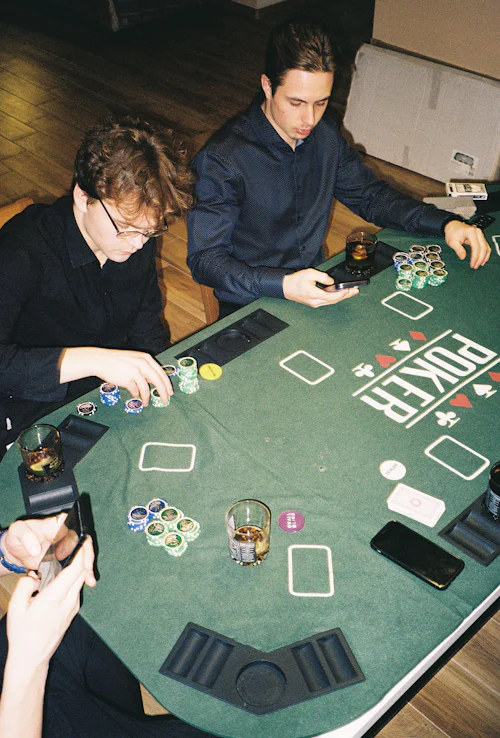
Additionally, individuals may attempt to hide or minimize their gambling activities from friends and family. This secrecy can manifest in various ways, such as lying about how much time or money is spent gambling. They may also engage in deceptive behaviors, including borrowing money or stealing to fund their gambling habits. This dishonesty can further alienate them from their support networks, exacerbating feelings of shame and isolation, which often accompany problem gambling. As trust erodes, relationships may become strained, resulting in increased emotional turmoil for both the gambler and their loved ones, creating a vicious cycle that can be hard to break.
The Emotional Impact of Gambling Addiction
The emotional toll of problem gambling can be profound, leading to significant distress. Individuals often experience feelings of guilt, anxiety, and depression related to their gambling behavior. The highs of winning can be fleeting, while the lows of losing can trigger feelings of hopelessness and despair. This emotional rollercoaster not only affects the gambler but also their friends and family, who may suffer the consequences of the gambler’s actions. As the emotional weight of gambling addiction builds, individuals may find it increasingly challenging to cope with daily life, leading to further withdrawal from social interactions and responsibilities.
Moreover, the pressure to maintain a gambling lifestyle can lead to a range of mental health issues. Those facing gambling problems may develop a co-occurring disorder involving anxiety or substance abuse. The cycle of gambling addiction can create a vicious spiral where individuals seek solace in gambling as a means of coping with life’s difficulties, only to experience more stress and anxiety due to their gambling behavior. This interplay between gambling and mental health can complicate recovery efforts, as individuals may require treatment for both their gambling addiction and any underlying psychological issues.
In many cases, relationships suffer significantly due to gambling addiction. Loved ones may feel betrayed or hurt, often leading to conflicts that can escalate to serious arguments or even separation. The breakdown of trust within relationships can be one of the hardest repercussions to manage, causing both the gambler and their family members emotional pain. Acknowledging and addressing these emotional aspects is crucial in the recovery process, as they often motivate individuals to seek help and change their behaviors. Family therapy and support can play a pivotal role in rebuilding trust and mending relationships affected by gambling addiction.
Seeking Help and Support
If you or someone you know is exhibiting signs of problem gambling, seeking help is a vital step towards recovery. Various support groups and counseling services are available to assist individuals in overcoming their gambling issues. These services provide a safe space for individuals to share their experiences and learn coping strategies to manage their urges. Engaging in such support systems allows individuals to understand that they are not alone in their struggles. Organizations dedicated to addressing gambling addiction often host regular meetings and workshops that foster community and resilience among participants.
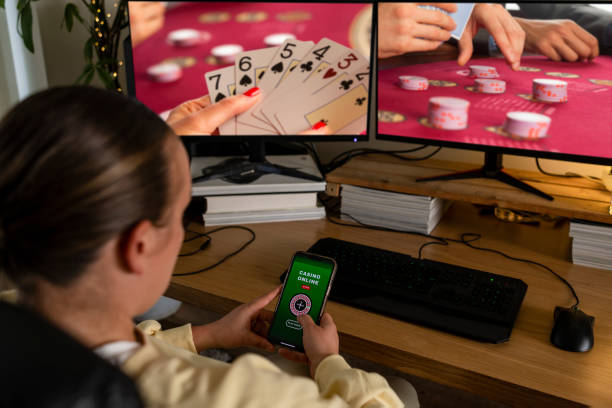
Professional treatment programs can also play a crucial role in recovery. These may include cognitive-behavioral therapy (CBT), which helps individuals reframe their thoughts about gambling and develop healthier coping mechanisms. Understanding the triggers that lead to gambling behavior is paramount in preventing relapse. By working with trained professionals, individuals can develop personalized strategies to navigate their recovery journey. Additionally, some treatment programs may offer group therapy sessions, where individuals can connect with others facing similar challenges, thereby reducing feelings of isolation.
Family support is equally important in the healing process. Encouraging open communication and fostering a supportive environment can make a significant difference in the recovery of someone dealing with problem gambling. Education about gambling addiction can empower family members to understand the struggle and provide the necessary emotional support without judgment. Together, they can work towards rebuilding trust and finding strategies to rebuild their lives after addiction. Families that actively participate in the recovery process often find that it strengthens their bonds and enhances their overall well-being.
Information and Resources for Problem Gambling
Many organizations and websites offer resources and information for those affected by problem gambling. These platforms provide educational content, support services, and helplines to assist individuals in finding the help they need. Resources can include articles on the nature of gambling addiction, tools for self-assessment, and directories of treatment programs. Having access to comprehensive information can be an invaluable step in understanding one’s situation and making an informed decision about seeking help. Such resources not only educate individuals about the signs of addiction but also inform them about the potential paths to recovery.
Many websites also feature forums and community support groups where individuals can connect with others who are experiencing similar issues. This sense of community can foster a supportive environment where individuals can share their stories, challenges, and victories, empowering them to take the necessary steps towards recovery. Being part of such a group can inspire hope and motivate individuals to continue on their path to healing. Additionally, engaging with others who understand their struggles can provide a sense of validation and reduce feelings of isolation.
Furthermore, educational campaigns aimed at increasing awareness about the signs and consequences of problem gambling can be instrumental in preventing gambling addiction. By providing information to the public, these initiatives help dispel myths about gambling and promote healthier attitudes towards gambling behaviors. Overall, accessing these resources is a crucial part of the recovery process, enabling individuals to regain control over their lives and redefine their relationship with gambling. Communities that actively engage in these educational efforts often see a decrease in gambling-related issues and an increase in support for those in need.